
exci Blog
How Big Data Ignites AI Innovation in Wildfire Detection
In our previous blog posts, we explored the differences in object recognition between humans and AI, and how insights from human neural processes can enhance

In our previous blog posts, we explored the differences in object recognition between humans and AI, and how insights from human neural processes can enhance

In our previous post, we explored the fascinating differences between human object recognition and artificial intelligence (AI) capabilities. Humans can recognize objects quickly and accurately,

Have you ever observed a 2-year-old meticulously picking out broccoli bits from her bowl of noodles and swiftly discarding them with a flick – as

Growing up in Austria, surrounded by majestic mountains and beautiful landscapes, I found joy in nature. Whether I was climbing trees, exploring wheat fields, or

Australia is one of the most fire-prone countries worldwide. While fire is a natural mechanism for maintaining biodiversity and supporting ecosystems, not all fires are

I enjoy tending to my garden and witnessing tender shoots emerge. In early spring, my husband and I built raised garden beds out of pallets,

Reports of widespread evacuations, burnt-out communities, wildlife loss, and a dense smoke haze devastated the tourism industry, casting a shadow over travel destinations globally. In
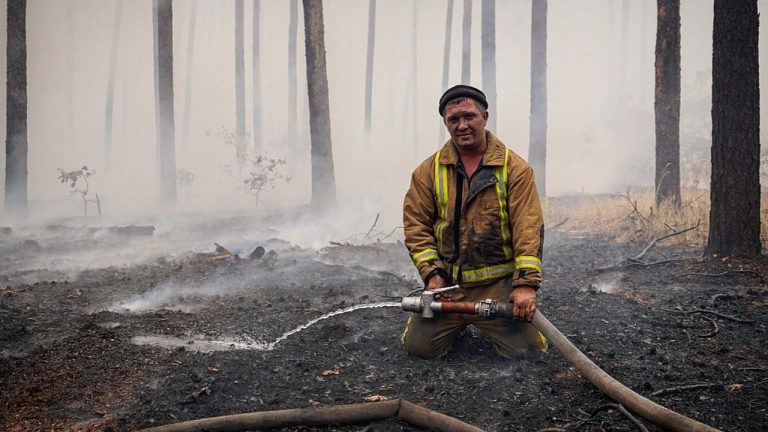
Firefighting is a hazardous job, especially during severe wildfire seasons. As we brace ourselves for the upcoming summer, there is a looming concern about pushing

Australia’s ambition to position itself as an ‘innovation nation’ is overshadowed by the disheartening reality of gradually losing ground to global competitors. This stark contrast

As I sat in my office, engrossed in my work, I suddenly became aware of a piercing sound cutting through the usual silence of the
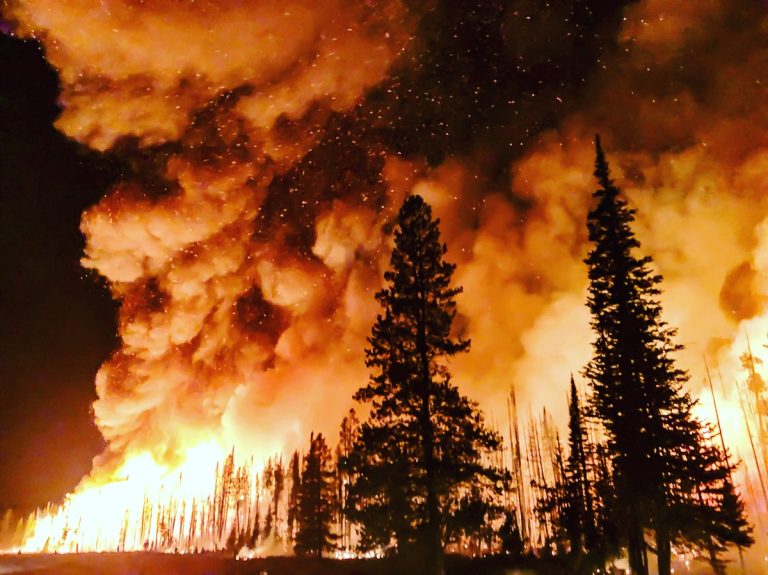
While the Northern Hemisphere has grappled with catastrophic fires and floods, Australia faced its hottest winter on record, primarily attributed to soaring ocean temperatures. As concern
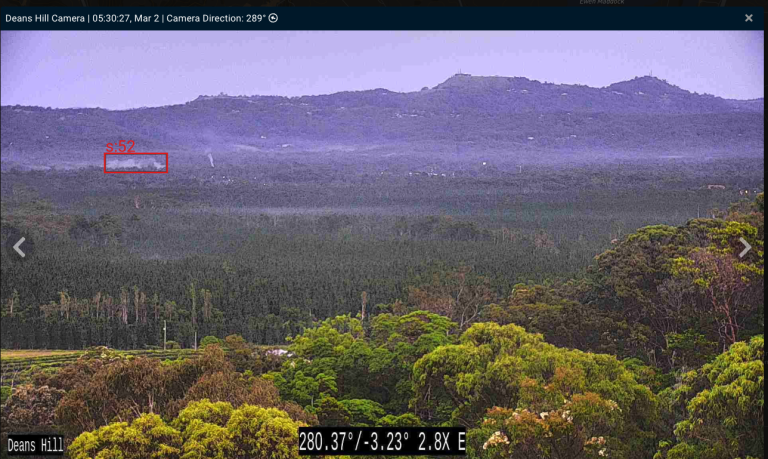
I’d like to extend my heartfelt gratitude to Rejean Bourgault from AWS for prominently featuring exci’s groundbreaking AI-powered early wildfire detection system in his enlightening

Climate change escalates wildfires globally, increasing their frequency, intensity, and duration. The northern hemisphere experienced a summer of climate-driven extremes. Canada’s record-breaking wildfire season mirrors

In the fast-evolving realm of artificial intelligence (AI), innovation is pushing technological boundaries. The saying “data is the new oil” holds particularly true here. Every
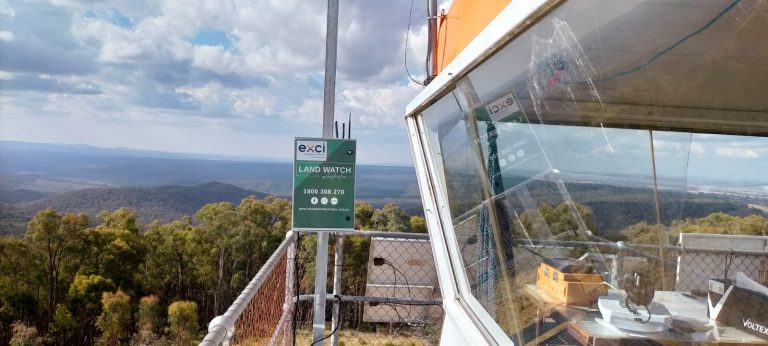
Introducing a Partnership Driven by Passion and Purpose As we approach the summer of 2024, the Bureau of Meteorology predicts one of the hottest periods
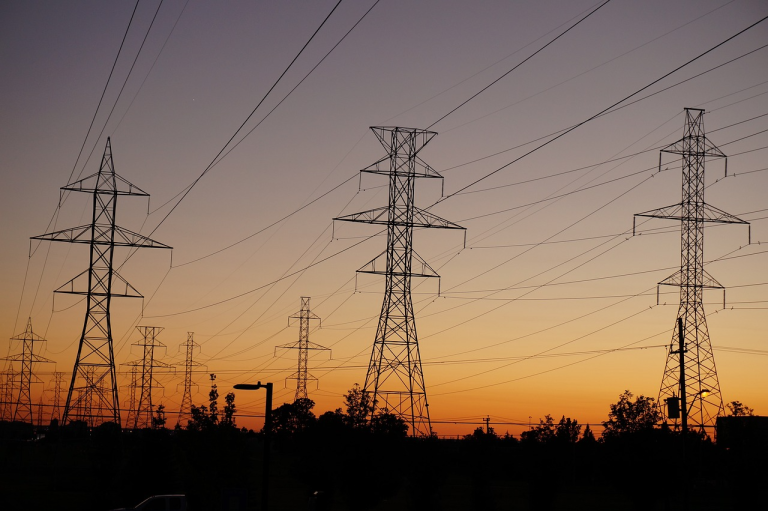
Wildfires have a profound impact on both infrastructure systems and the communities they serve, highlighting the vulnerability of interconnected systems and the potential for system
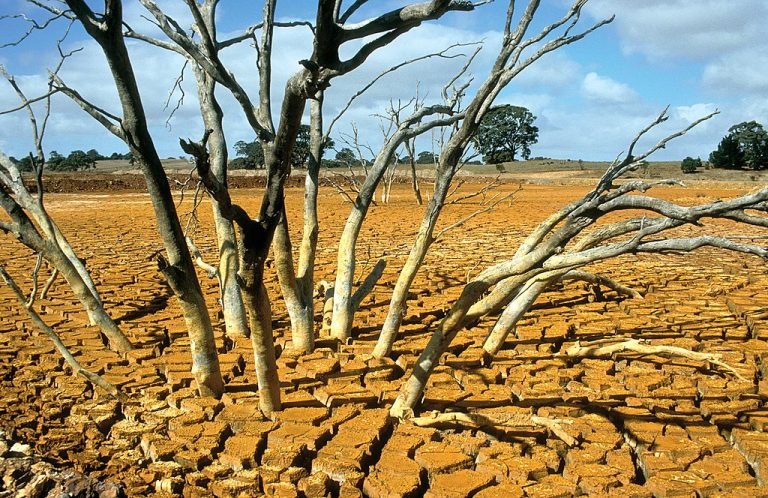
The United Nations’ warning of an impending El Niño has sparked concerns over soaring global temperatures and the potential for unprecedented heat records. El Niño,
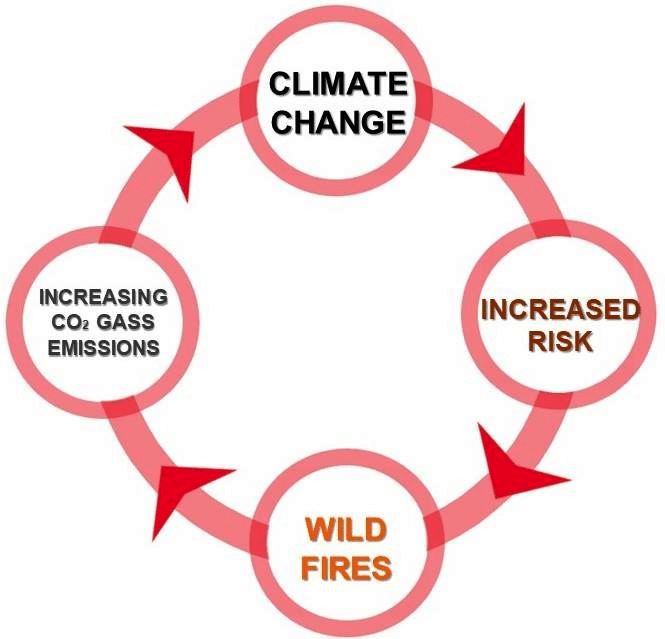
Wildfires are becoming an increasingly significant global issue, causing severe damage and releasing an alarming amount of carbon into the atmosphere. Forest fires are emitting
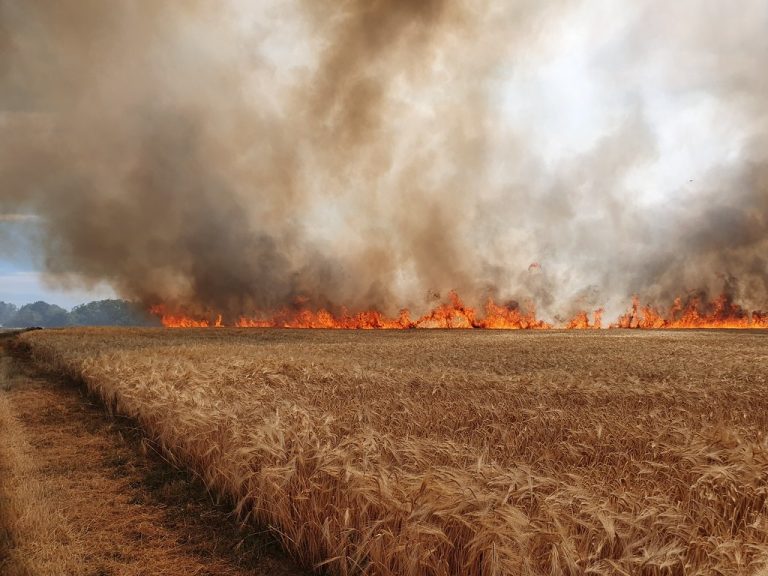
Impact of wildfires on agriculture Landscape fires are an integral part of our world, serving an important purpose for the ongoing survival of ecological communities.

To our Clients, Collaborators, Lobbyists, Suppliers, and Supporters WE ARE HONOUREDTHAT YOU THINK OF US FIRST WHEN IT COMES TO BUSHFIRE/WILDFIRE DETECTION As the end of year

Email: info@exci.ai
International: +61 458 594 554
Australia: 1300 903 940

For Media Relations: media@exci.ai

